


Why I Kept Driving 4 Hours for Support
Updated: Sep 21
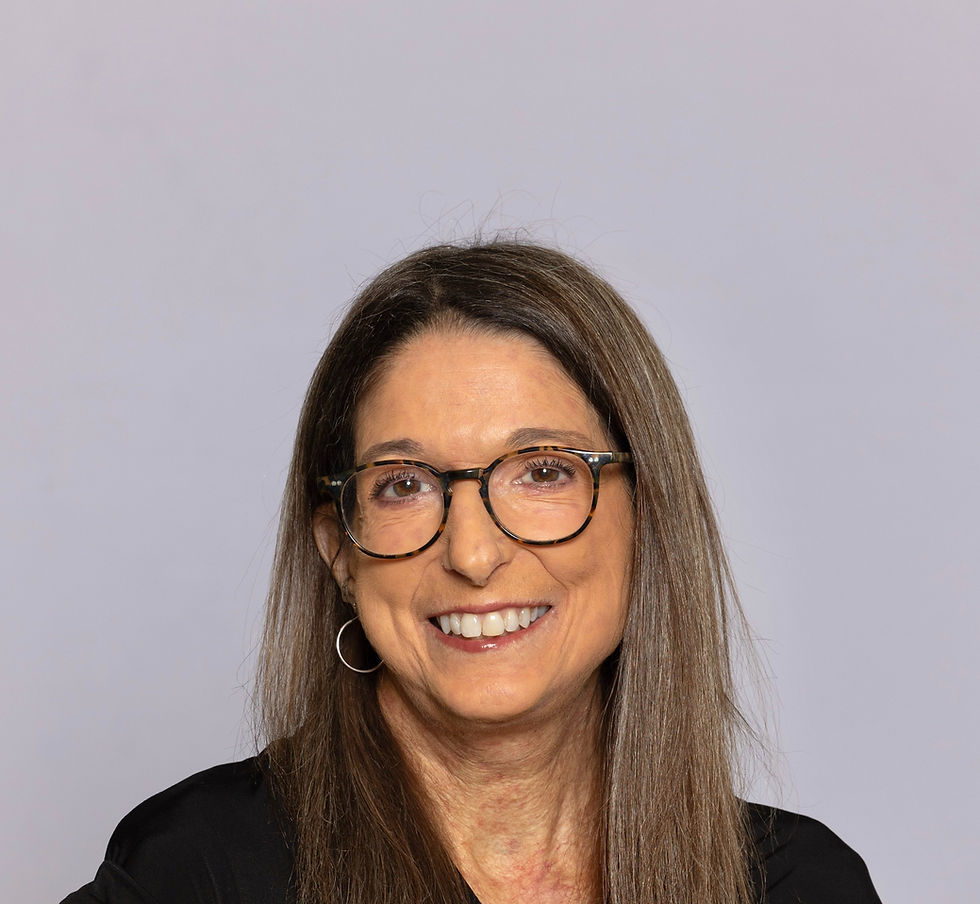
By Milana Millan

Like many people living with a rare disease, it took years to get answers. I had symptoms for nearly 20 years before finally receiving a diagnosis. At first, many of my symptoms were attributed to Lyme disease. Then one day, a physician assistant in a dermatology office paused, looked at me closely, and said, “Hmm…” She ordered bloodwork that finally led to my scleroderma diagnosis.
What I remember most from those early days was the fear. I heard things like, “People only live 10 years.” No one explained that there is no single scleroderma story. Some people live with primarily skin involvement, while others experience complications affecting their lungs, heart, digestive system, or kidneys. Some progress quickly; others remain stable for decades. Instead of hearing that every journey is unique, I was left to fill in the blanks with worst-case scenarios. No one explained that support existed. But I knew one thing from my years advocating in the autism community: you cannot do hard things alone. So I searched for a scleroderma support group in Wisconsin.
At the time, I lived four hours north of Madison. And once a month, I made that drive in person to attend support group meetings. Four hours there. Four hours back. Was it really worth it? Absolutely. That support group changed my life.
Why Getting Connected Matters
When you are living with scleroderma or another chronic illness, isolation can happen quickly. You spend so much time navigating doctors, symptoms, uncertainty, and fear that it becomes easy to withdraw from the world.
Getting connected to a support group, an education event, or a walk gives you something powerful:
A safe, nonjudgemental place
People who understand
Real-life experiences and encouragement
Trusted information and resources
Friendship and community
HOPE
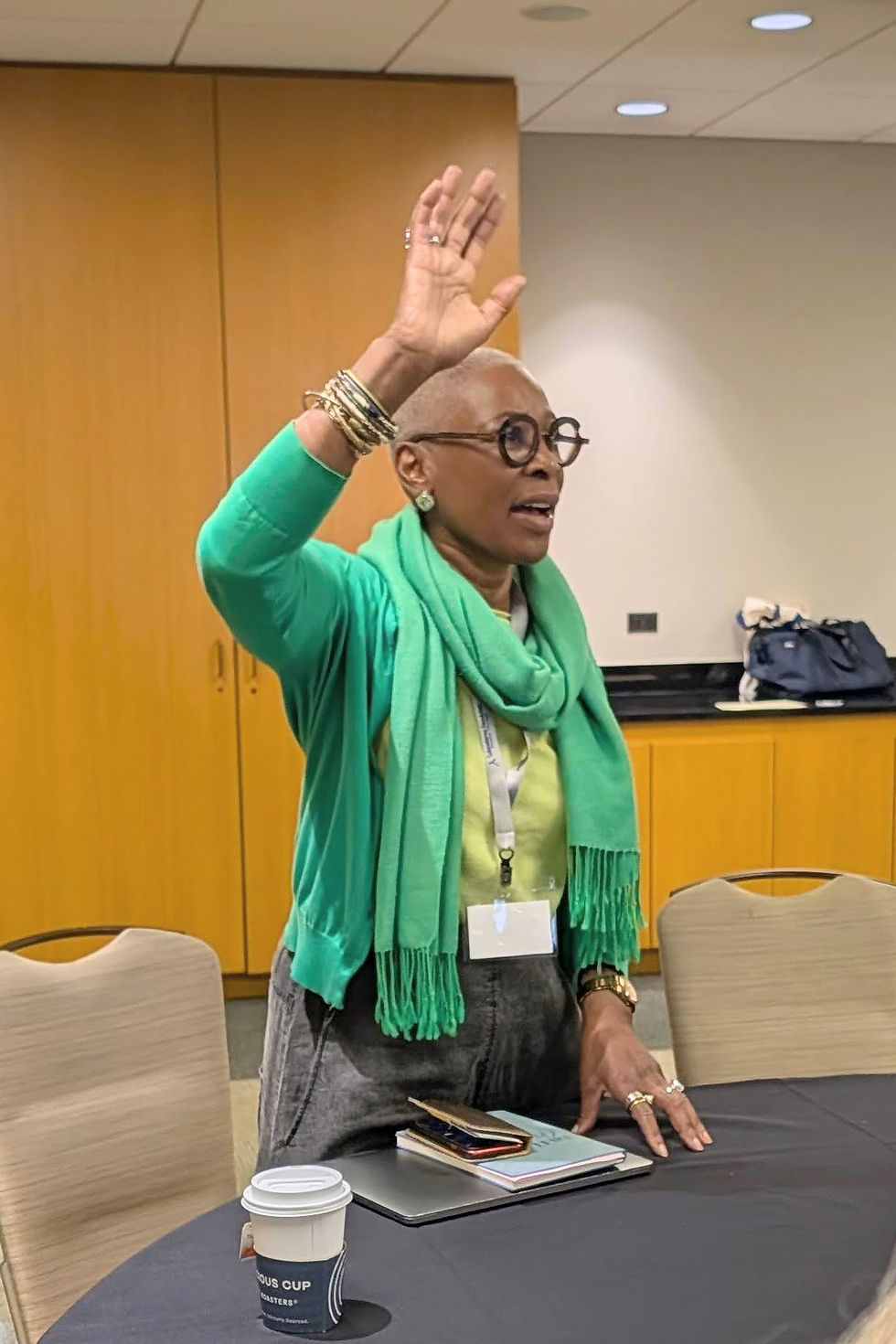
The Madison support group became a place where I could ask questions, learn from others, and simply be understood without needing to explain myself. Over the years, that community gave so much to me that I eventually realized it was time to give back. Today, I co-lead the support group and captain our Walk to Cure Scleroderma team, Mission Possible Wanderers.
Community Changes Everything
One of my favorite memories from my first Walk to Cure Scleroderma perfectly captures what this community means. It had rained the night before, and the park paths turned into mud. People using wheelchairs and walkers were literally getting stuck along the route. And nobody complained. People stopped to help each other. They pushed wheelchairs. They steadied walkers. They laughed together and kept moving forward together. That moment stayed with me because it reflected exactly what the scleroderma community is all about: no one gets left behind.
The walks are about more than fundraising. They are a safe place. A welcoming place. A place where people living with scleroderma can show up exactly as they are and feel accepted.
Our Second Walk
Our second walk was 2020 - COVID year! We all walked at home or in small groups. My husband and I walked at home and donated from there. It was reassuring to know there was a whole community out there doing the same thing on the same day.
This year was my third walk (if you don’t count my walk in Florida). It was so fun to connect with people that I haven’t seen in person in so long. Sharing this day with people who believe in the power of community.

If You Are Newly Diagnosed, Get Connected
If you are newly diagnosed with scleroderma, or supporting someone who is, my advice is simple: Get connected. Do not wait until you feel ready. Do not convince yourself you have to figure this out alone. Save your time and energy, join a support group. Attend an education event. Come to one of our six walk options. Meet people who understand this journey. Getting connected changed my life, and it can change yours too.
Sometimes healing begins the moment you realize you are no longer walking alone.
Milana Millan is a mom of two, wife of 41 years, and a Madison support group co-leader. She is using her experience in advocating within the autism community to advocate for herself, scleroderma awareness, and a cure.
The Milwaukee - Madison Wisconsin support group Meets the third Monday of the month at 5:30 pm CST. https://www.stopscleroderma.org/support
Join a Walk to Cure Scleroderma: https://www.stopscleroderma.org/walk
Patient Voices Disclaimer: The views and experiences shared in this blog reflect the personal perspectives of patients and are not medical advice. Before pursuing any treatment, therapy, medication, or other idea discussed here, please talk with your physician or healthcare provider to determine what’s right for you.

Thank you for this, Milana! I am in the process of getting an in-person support group off the ground and your experience is exactly what I hope to facilitate for others.