


It’s a Bad Day, Not a Bad Life
Updated: Sep 21
By: Kimberly Gonzalez
How Kimberly Found Purpose Through Scleroderma, Stroke, and Advocacy
I was diagnosed with scleroderma at just 12 years old. Event then, I never imagined my life would take the path it did. I loved playing the violin. I spent my time balancing basketball and cheerleading, just like many other teenagers. I learned early on how to hide the pain, the fatigue, and the struggles that came with it. In the beginning, I could. But by the time I was 15 my ulcers on the elbows and fingers had become so severe that I had to explain to my orchestra teacher why I couldn't play my violin for weeks at a time.
Then things became even harder.
At 17, I lost part of one of my fingers. As if navigating high school wasn't difficult enough, I was trying to cope with an amputation while worrying about fitting in and feeling "normal."

After graduating, my Raynaud's became so severe that I continued losing fingertips, about one every six months during my late teens. Today, at 29 years old, I only have three full fingers remaining.

On my 21st birthday, things began to change again. My mom and sister planned dinner and a night out so I could have my first legal drink. I ordered a mojito just to taste it, knowing I couldn't really drink because of my medications. Not long after, I started slurring my speech and wobbling when I walked. Everyone assumed it was because of the drink. But it wasn't.
Over the next two months, I kept getting weaker. I lost so much weight that I couldn't stand on my own. My mom had to help me shower. Losing my independence at 21 was devastating.
Then one day in January, while I was in the shower, I suddenly saw black dots. My vision disappeared. I remember telling my mom, "I'm going to faint." The next thing I knew, I woke up in the emergency room. Doctors couldn't figure out what had happened. I spent three months in the hospital before eventually being sent home without answers.
Just weeks later, in May, I suffered a second incident that was finally recognized as a stroke. This time, I became wheelchair-bound and lost the use of my hands and had significant vision loss. Only then was I finally diagnosed with antiphospholipid syndrome (APS), an autoimmune condition that caused the strokes. It was very hard accepting this new diagnosis. I had finally reached a point where I was feeling comfortable with managing my scleroderma, and then these strokes just overwhelmed me to the point where I thought I couldn’t do anything.

Learning How to Live Again
After the second stroke, I spent two months living in a rehabilitation facility. At 21 years old, I had to relearn everything. How to walk. How to dress myself. How to eat. How to take care of myself. In some ways, rehab almost felt like having my own apartment. I had my own schedule and a small taste of independence. But more than anything, I wanted to get out of that wheelchair. I completed physical therapy twice a day with the rehabilitation staff, then I would do more on my own. Sometimes my sister would visit. Together we'd practice memory exercises, walking, and extra strengthening activities beyond my scheduled therapy sessions.
Six months later, I walked out of that wheelchair.
The Mental Battle
Although I was making physical progress, emotionally I was struggling. The strokes, combined with scleroderma, permanently affected my hands. I can no longer open them. I had lost vision in my right eye. My hair became so thin. I weighed only 97 pounds and had to wear children's clothes. Meanwhile, I watched my friends living what seemed like their best lives while I was still trying to recover just enough to get through the day.
When I graduated high school, I never imagined this would become my reality.
My parents were my rock. They supported me through every step. Still, I couldn't stop asking myself: What did I do wrong? I had no confidence. No energy. No positive outlook.
I didn't want to leave the house. I didn't feel like I had accomplished anything. My parents kept reminding me, "Kim, you're here for a reason." At the time, I wasn't sure I believed them.
The Day Everything Changed
When I was 22, my sister was competing in a pageant. My mom wanted to be there to support her, but I also had an appointment with my eye doctor. She suggested I reschedule. Something inside me said no. I needed to go. I had already lost vision in my right eye because of the stroke, and I felt this appointment mattered. So I decided to do something that seemed impossible. I went by myself. It took me 30 minutes just to put on my pants. I managed to get into an Uber. I navigated the appointment on my own. I made it home. It sounds like such a small accomplishment. But for me, it changed everything.
That day, I realized I could still live my life. It might look different than I had planned. It might take longer. I might need a different route. But my life wasn't over. That was my turning point.
Finding My Voice
As I slowly rebuilt my confidence, I decided to start sharing my story on Instagram. In high school, I never wanted to be known as "the sick girl." At first, I didn't even show my face.
I reached out to organizations and companies that might be willing to share my story. Then something incredible happened. People started reaching back. I searched online for stories about scleroderma, stroke survivors, amputees, and others living with chronic illness. I found people who were living full, meaningful lives despite everything they had been through.
They became a roadmap for me.

Today, I hope I can be that roadmap for someone else. If you empower people, you inspire them.
Advocacy Gave Me Purpose
In 2023, I took my first step into advocacy through Patients Rising. There I met an experienced advocate named Demi, who became an incredible mentor. She gave me something I desperately needed, a goal to work toward. For the first time, I realized I could become someone who helps other patients navigate their own journeys while also working to improve healthcare policies for future generations.
Advocacy reminded me that my experiences mattered.
That my voice mattered.
That my story could create change.
I often think about inspiration and empowerment as a circle. I draw inspiration from other people living with chronic illness. Hopefully, they find encouragement in my story, too. The cycle continues.
I still live with my parents today at 29 years old. My journey hasn't been easy, and it certainly isn't over. There are still difficult days. There always will be. But I've learned something that carries me through every setback:
It's a bad day, not a bad life.
Some days will be harder than others. Some days you'll grieve the life you thought you'd have. But that doesn't mean your story is over. Sometimes, your greatest purpose begins when life forces you to find a different path. And if my story can help even one person believe that, then every step of this journey has meant something.
About Kimberly
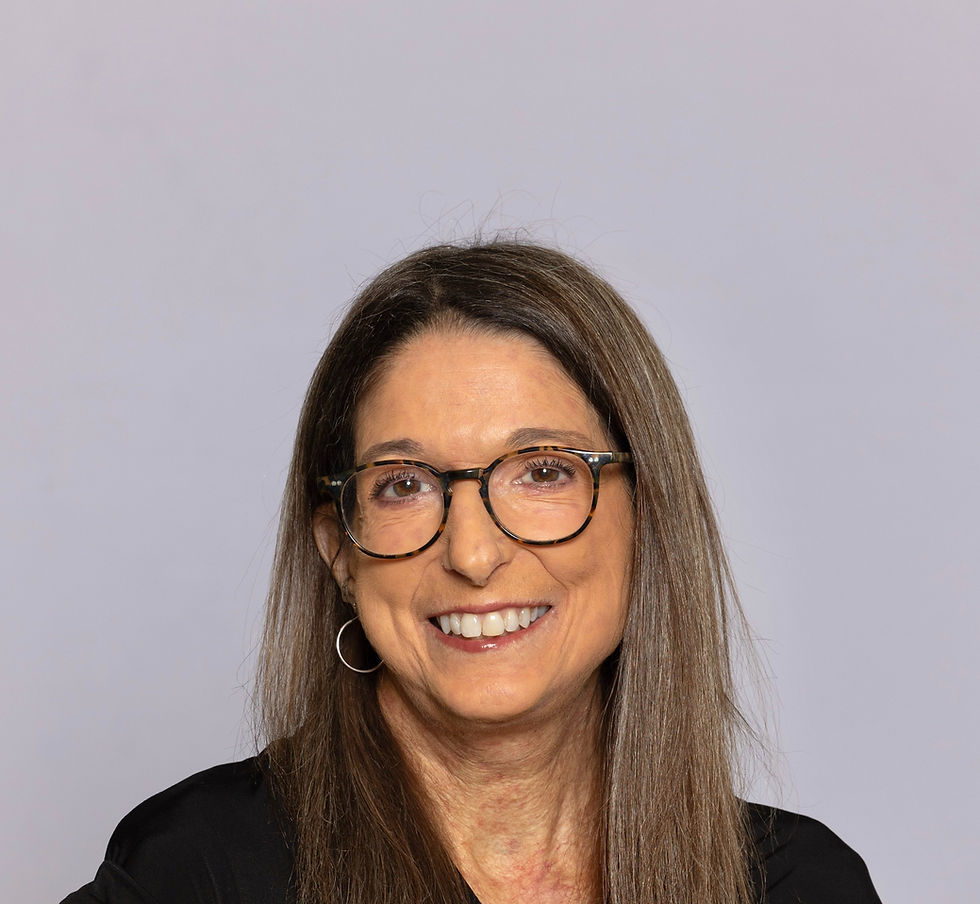
Kimberly is a passionate patient advocate, scleroderma and stroke survivor, and the voice behind @strong_selflove, where she shares her journey to educate and encourage others. After finding purpose through advocacy, she now works with lawmakers and the rare disease community to create change, and hopes her story inspires others to use their own voice.
You can follow Kimberly on Facebook @Selflove Sister and Instagram @strong_selflove
Patient Voices Disclaimer: The views and experiences shared in this blog reflect the personal perspectives of patients and are not medical advice. Before pursuing any treatment, therapy, medication, or other idea discussed here, please talk with your physician or healthcare provider to determine what’s right for you.

Comments