


The Day I Met the Man Who Saved My Life
Updated: 3 days ago
By Lauren Gibbons Paul
The thing about coming down with scleroderma, unlike most other diseases, is that no two patients’ stories are alike. This makes scleroderma notoriously hard to diagnose. Many general practitioners, and even some rheumatologists, have limited experience with it and may be unsure how to advise. Without a single definitive blood test, both patients and physicians can stumble around in confusion before a convergence of symptoms makes the diagnosis undeniable.
What that means: For most people, developing symptoms of scleroderma is one of the strangest and most alienating things that has ever happened to them. For me, when my symptoms first appeared, I felt like I was caught in Kafka’s The Metamorphosis, in which a man wakes up one morning to find that he has transformed into an insect.
That’s pretty much how I felt when I was getting sick. Something – many things – were transforming, and I was terrified of where it all was going.
On Christmas Eve in 2006, I woke up with very swollen, painful fingers. Just fingers, not my whole hand. This symptom did not come on gradually, it appeared that morning. I was very weirded out and, even then, without any other symptoms, I worried it was a sign of something bad. The strange symptoms just kept coming. From general malaise and joint pain (my knees, especially) to hair loss and red spots on my face, and more.
Everything new appeared in the morning after I woke up. It was enough to make me terrified to go to bed, and I never slept much anyway. One morning, I woke to find a strange patch of smooth, mannequin skin on my abdomen. Clearly, a malevolent force had taken control of my body. I wasn’t an insect, yet, but that potential seemed no less outlandish than everything else that was happening to me.
On a quest for answers, I visited a major medical center in Boston. I started with a top rheumatologist, and went down quite a rabbit hole with a treatment protocol that didn’t work. Then I went to the head of rheumatology at another prime Boston institution. He became visibly uneasy after examining me. At the end of my appointment, before any of my labs had come back, he announced, “You don’t have scleroderma, and if you do, there’s nothing we can do about it.” The sad truth? At least at that time, this medical provider had zero expertise with scleroderma.
At about this time, a close friend who is a doctor had had enough. She told me, “We are going to Johns Hopkins in Baltimore to see a rheumatologist who was one of my professors, Fred Wigley.” I was scared, in pain, and to be honest, had zero desire to get on a plane to see someone new. But upon researching a little bit, I discovered that Johns Hopkins had a highly regarded Scleroderma Center.
And then I met the man himself, whom I affectionately call Wiggles. My first words to him out of the gate were that I did not want to take steroids. He took that in stride (I never did take them) and said, “I’m going to tell you about this disease as if you’ve never heard of it. Then I’m going to examine you from head to toe. Then we’re going to talk about how we take this disease and put it in the back seat and put you back in the driver’s seat of your life.” He spent three hours with me that afternoon and, at the end, introduced me to a patient who was in long-term remission.
He also gave me his card and said, “Here’s my phone and my email. I want to hear from you.” Is it any wonder I was smitten?
Within a few months, he had prescribed the immunosuppressant (Cellcept) to which I was a super-responder. It put me into remission almost immediately. Virtually all of my symptoms have remitted, except for the Raynaud’s and bent fingers. I’ll take them!
Whether you have the limited or systemic form of scleroderma, connecting with a scleroderma specialist is the most important decision you’ll make, even if it means getting on a plane, even if it means taking that first step when you don’t want to move. I never accept doctors who give me bad news without providing any hope. Dr. Wigley is a legend in this field, and the Cellcept protocol he developed is now the standard 20 years later. I was exceptionally lucky that my friend insisted on bringing me to the best. Dr. Wigley saved my life.
The bottom line: Are you getting a hopeful message from your rheumatologist? Is he or she attentive to your symptoms? If not, go find someone who will help. They are out there, and there is hope. Need support or help connecting with a scleroderma expert? Reach out to info@stopscleroderma.org or call 312-660-1131.
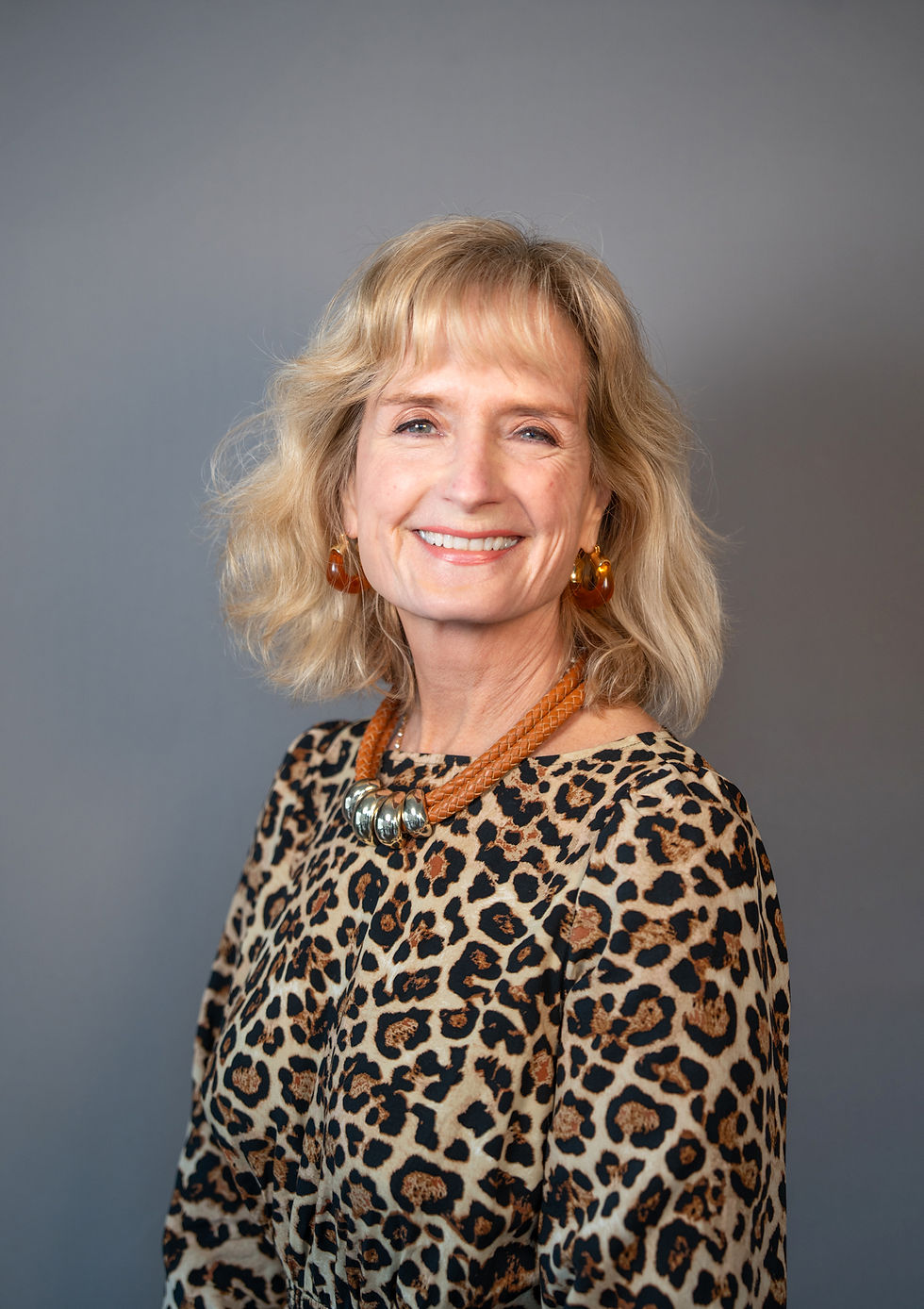
Lauren Gibbons Paul is a writer and editor in Waltham, Mass.
Patient Voices Disclaimer: The views and experiences shared in this blog reflect the personal perspectives of patients and are not medical advice. Before pursuing any treatment, therapy, medication, or other idea discussed here, please talk with your physician or healthcare provider to determine what’s right for you.


Comments